Adaptations, Interdependence & Competition
1. This question has 3 part(s).
1.1. Figure 5 shows a coypu (Myocastor coypus), a large rodent native to South American countries. Coypus are large, semi-aquatic rodents that feed on vegetation and tree bark.
Figure 5
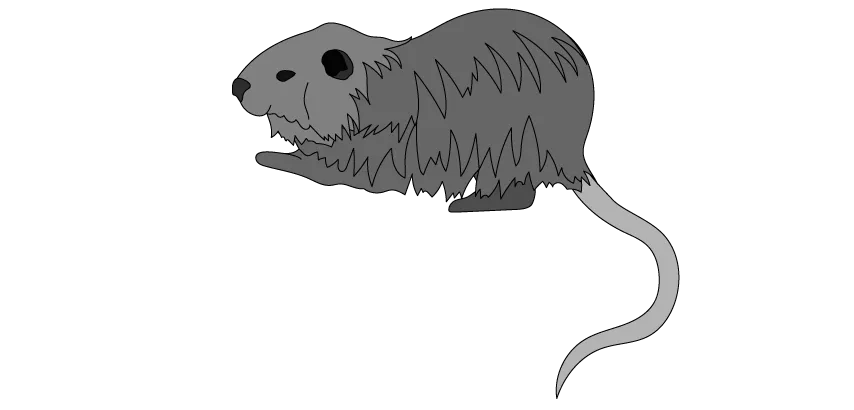
Coypus were introduced into North America in the 20th century, in order for them to be farmed for their fur. Some escaped into the wild and they have become a major nuisance species. Coypus feed on tall grasses and rushes, which are a source of food, nesting sites, and shelter for many organisms. These plants also help to stabilise sediment and soil. Coypus have caused widespread damage to the area’s food web and habitats by consuming the wetland grasses.
Explain how the introduction of coypus might have caused their population, and those of wetland grasses and the animals that live within them, to fluctuate over subsequent years.
1.2. Apart from the availability of food, give two other biotic factors that could influence the size of the coypu population.
1.3. Describe and explain the following phrase:
In a predator-prey relationship, their populations are always out of phase. |

Ai এর মাধ্যমে

১০ লক্ষ+ প্রশ্ন ডাটাবেজ

প্র্যাকটিস এর মাধ্যমে নিজেকে তৈরি করে ফেলো
উত্তর দিবে তোমার বই থেকে ও তোমার মত করে।

সারা দেশের শিক্ষার্থীদের মধ্যে নিজের অবস্থান যাচাই
No related questions found